Fixed packages
From $3K · free intro
nyk
agent ops · solana · oss
blog · field notes
Operator notes and guides with named magnets, failure modes, and next actions. Agents, vibe coding, Solana, shipping stacks.
operator guides
How-tos with named magnets. Filter the grid by guides.
Teams burn 30-40 minutes per Claude session re-explaining what they already knew. A three-tier memory system that makes output compound instead of plateau.
Most people add more agents when work gets hard. Compile roles into a skill library, keep one owner of the merge, and only go multi-agent for parallel research.
Skills are runbooks with teeth. Pre-install and pre-publish checklists so you do not treat stars as security reviews.
Stop pasting chat dumps into every session. Promote experience into journals, skills, and hard rules with a weekly prune.
Publish is half the job. A first-hour staff card for replies, link hygiene, and conversation quality - without inventing algorithm weights.
Simulate-first, least privilege, human gates on sends. A skill-shaped ops card for agents that touch Solana without demo-day regret.
Most teams overbuy streams or underbuy completeness. A six-row ladder and decision matrix for app, indexer, and trading workloads.
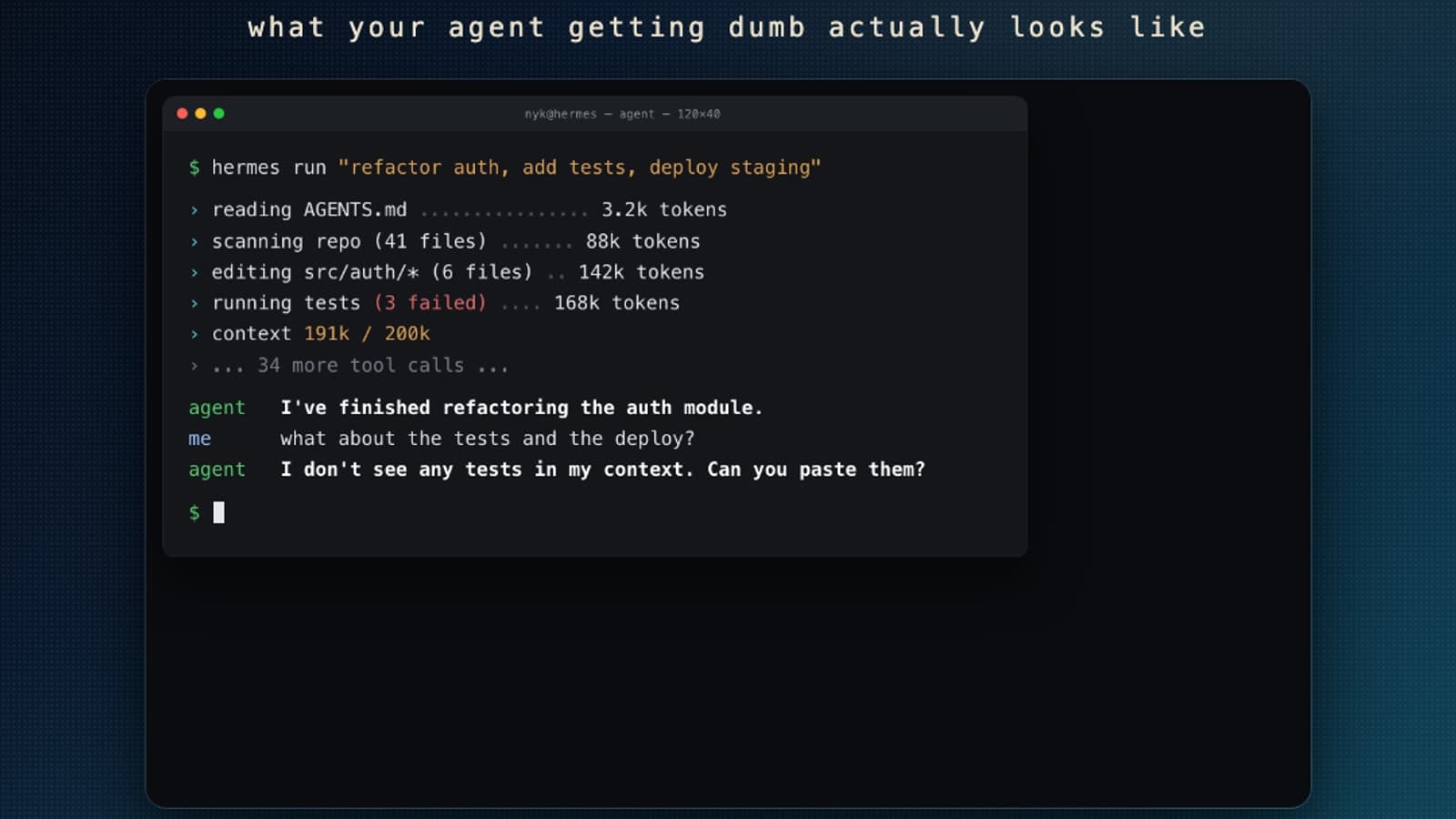
You know the feeling. The agent that nailed everything this morning is now making mistakes a beginner would not make. It just got noticeably worse over the sess…
Most people still judge agents by model quality. Packaging workflows as Hermes plugins is the hard part: contracts, distribution, and operator loops.
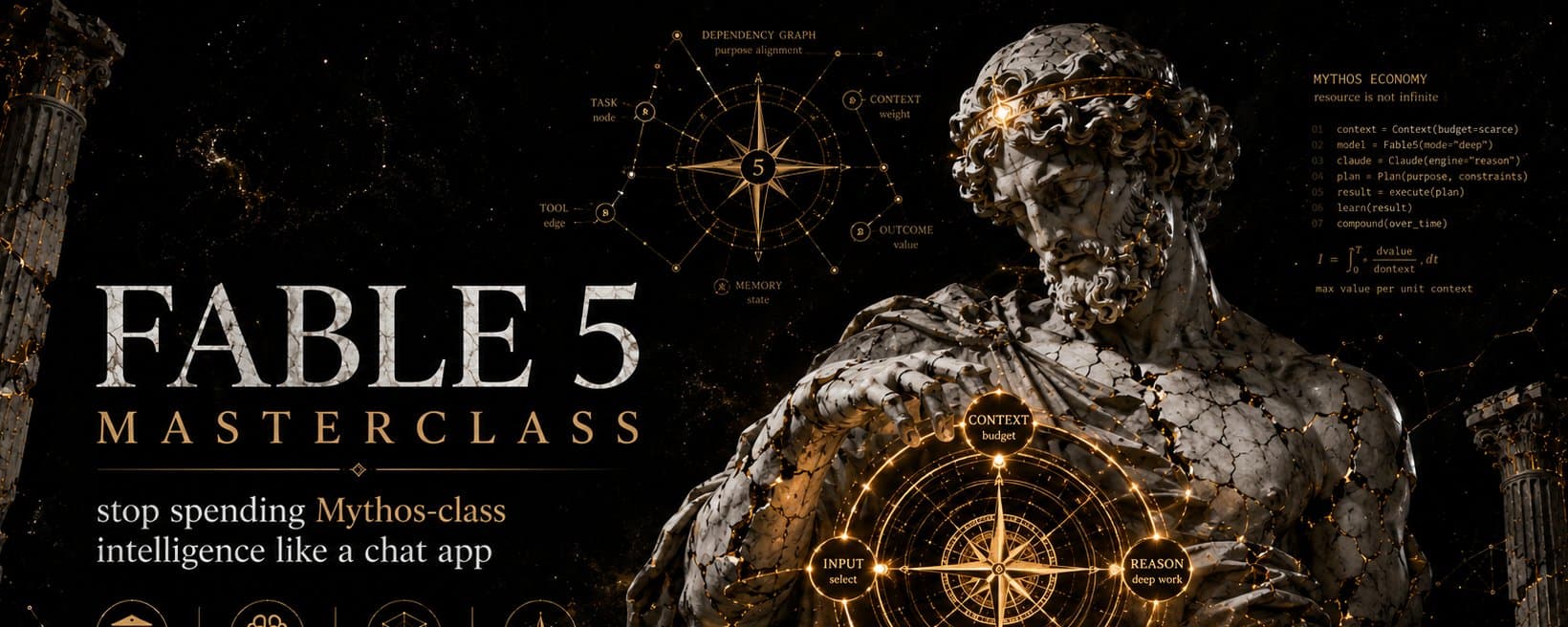
They will route every task to the most expensive brain in the room.
Most people treat Claude memory like a bigger notebook.
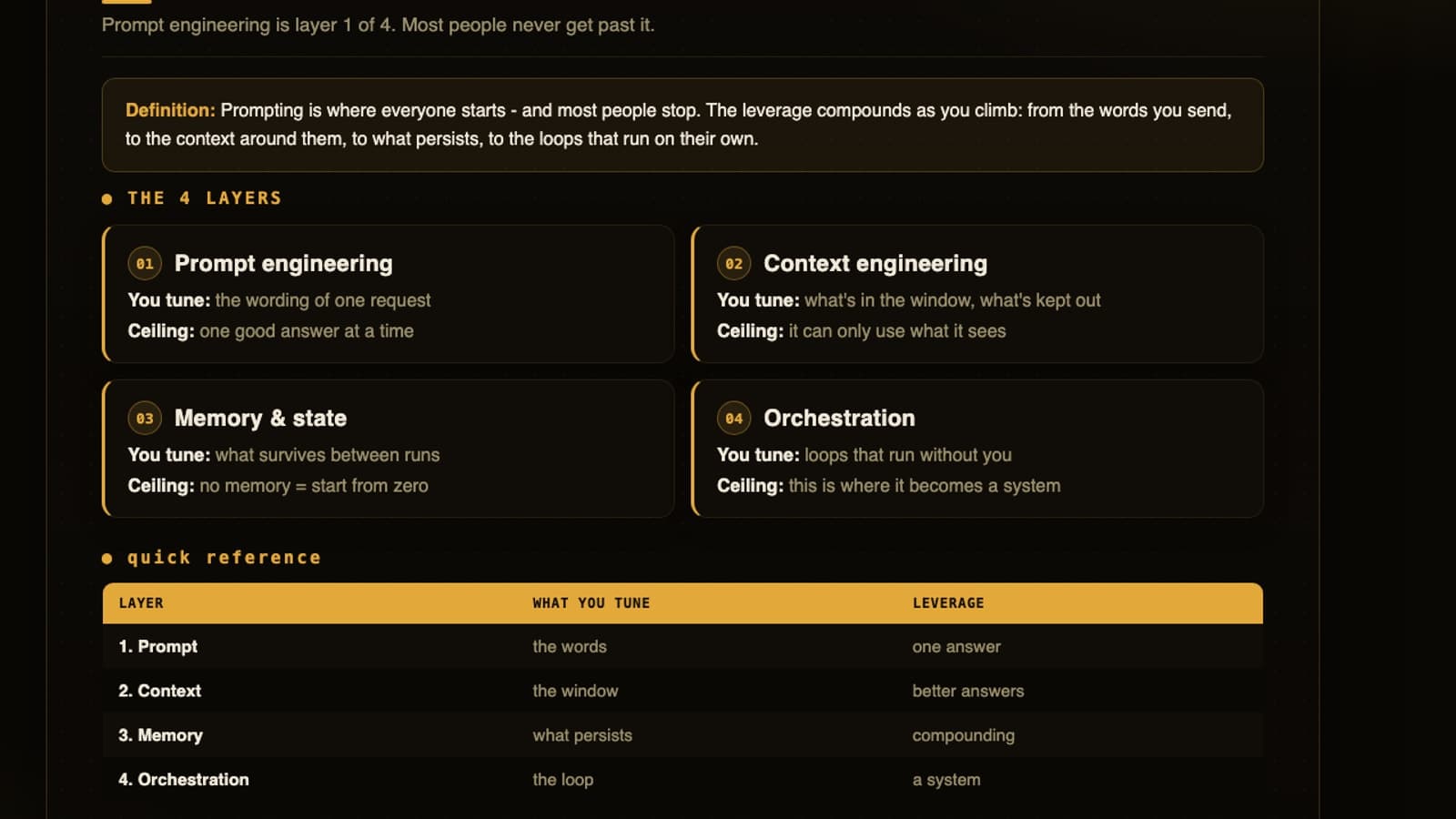
The argument over prompt engineering versus context engineering is already stale.
AI-native is not ChatGPT tabs. It is specs, tools, verification, and memory - a one-week starter OS for developers.
Skills are not longer prompts. A beginner template, auto-invoke mental model, and monthly prune so your skill library stays green.
You do not need a platform team. A weekend architecture for solo builders who want agents that compound without chaos.
Harness discipline meets chain hygiene: simulate-first tools, gated writes, context packs, and a two-week learning path.
As-of July 2026 field map: Claude Code, Codex, Cursor, Gemini CLI - what each is for, what rot looks like, and a default stack that survives real repos.
Output is free now. Proof is not. A session checklist that turns agent speed into diffs you can merge.
Stop sending every prompt to the frontier. Route plan / implement / review / audit by cost and failure mode.
Self-hosted mission control for AI agent fleets: what v2.1.0 is for, how to install the mental model, and the operator checklist after clone.
Model, tools, context, harness - the compact production checklist before you trust an agent with real work.
Why agents go sloppy mid-session without a clean error - and the four practices that stop silent context death.
The problem was never the window size. It was context rot - performance degrades as conversations fill, not because the model forgets, but because signal drowns in noise.
Most people think the hard part is writing the bot. It isn't. The hard part is building risk rules that the bot cannot negotiate with.
Pick one identity and repeat it for 40 years - that model breaks when the world rewrites itself every quarter. Your curiosity is raw material, not a weakness.
AI tools increased output 10% while collapsing code quality by 60%. The exact failure pattern, why it happens, and the checklist to survive the transition.
An arXiv paper documented a Claude Code project with 26,000 lines of context architecture - more instructions than actual code. Their agents stopped hallucinating.
LangChain jumped from Top 30 to Top 5 by changing zero model parameters. The teams shipping production agents have the best harness, not the best model access.
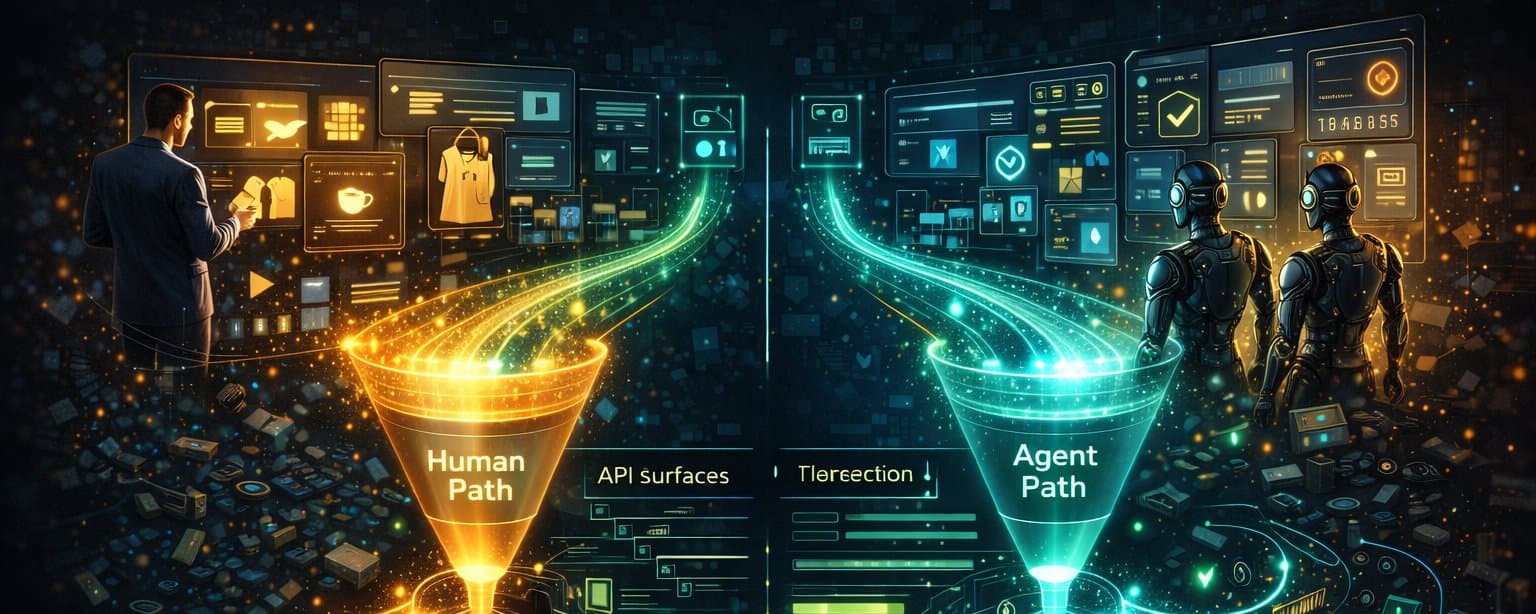
Visa reported a 4,700% jump in AI-driven retail traffic. Within 12 months, MCP buying shifts revenue upstream. Most GTM teams still optimize for humans.
Most people frame AI vs crypto as a rivalry. Wrong framing. If AI is the intelligence layer, crypto is becoming the transaction layer for autonomous software.
Everyone says 'fix prompts' - in practice, the bottleneck is shell init, hook chains, and context drift. A measured pass cut zsh startup from 1.794s to 0.386s.
Free · no spam
Skills, memory, jobs, handoff - one checklist. Occasional notes when something ships. Hands-on later: packages from $3K.
Checklist + notes. No spam.